You can find a ton of information online about regenerative farming, but every farmer quickly learns that making it work for your own situation takes time. Here in Welkenraedt, our climate is influenced by the cold winds from the Hohes Venn ❄️. At 220 m above sea level, we deal with incredibly hard clay soil, very little flat ground, and many trees that steal sunlight from our arable plots 🌳. On top of that, we have to contend with some pretty relentless slugs 🐌.
Regenerative Farming at Arthurgreenbean Ranch — At a Glance 🌿
Healthy Soil First: Build clay soil fertility with compost, mulch, cover crops, and minimal digging 🌱.
Diverse Crops & Rotation: Grow a mix of vegetables and legumes, rotating to prevent pests and enrich the soil 🔄. Mostly open-pollinated varieties, very few F1 hybrids. Extensive cover cropping with seeds from Bingenheimer, Semailles, and La Ferme de Sainte Marthe 🌾.
Natural Fertility: Cover crops timed perfectly, stone flour, our compost systems, sheep and chickens, plus nettle and comfrey for our Super-Brew juice 🌿🥣. Legumes like peas and beans fix nitrogen, while plant residues feed the soil microbes.
Water & Microclimate: Polytunnels protect crops from cold winds ❄️, and mulches retain moisture in our heavy clay soils 💧.
Pest & Disease Management: Encourage beneficial insects, monitor crops, and control slugs naturally 🐞.
Community & Lifestyle: Farming is combined with yoga, Ayurveda, workshops, and Arthur’s Basket 🧺 to connect with people sustainably.
Observe & Adapt: Every season, we learn from our specific climate and land to improve efficiency and resilience 🌱✨.
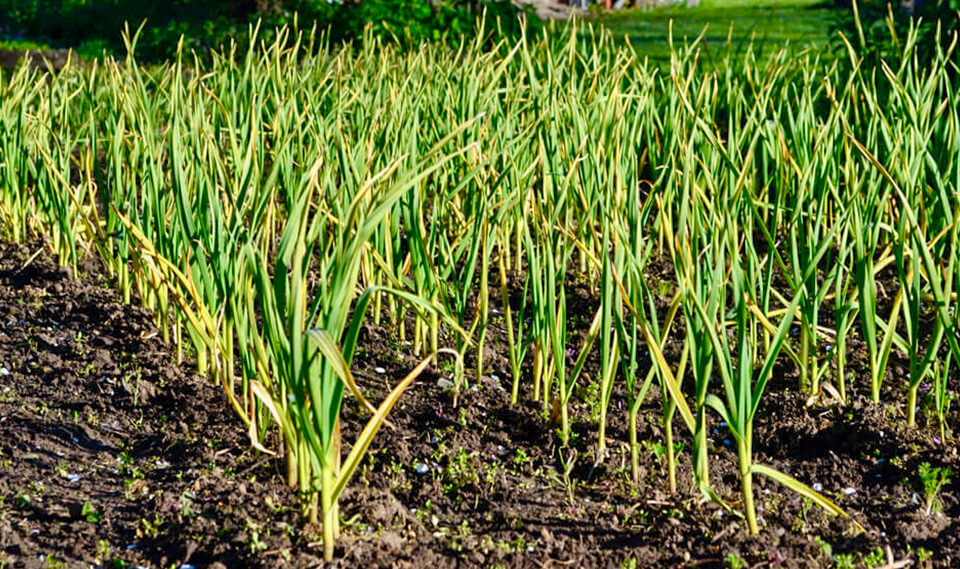
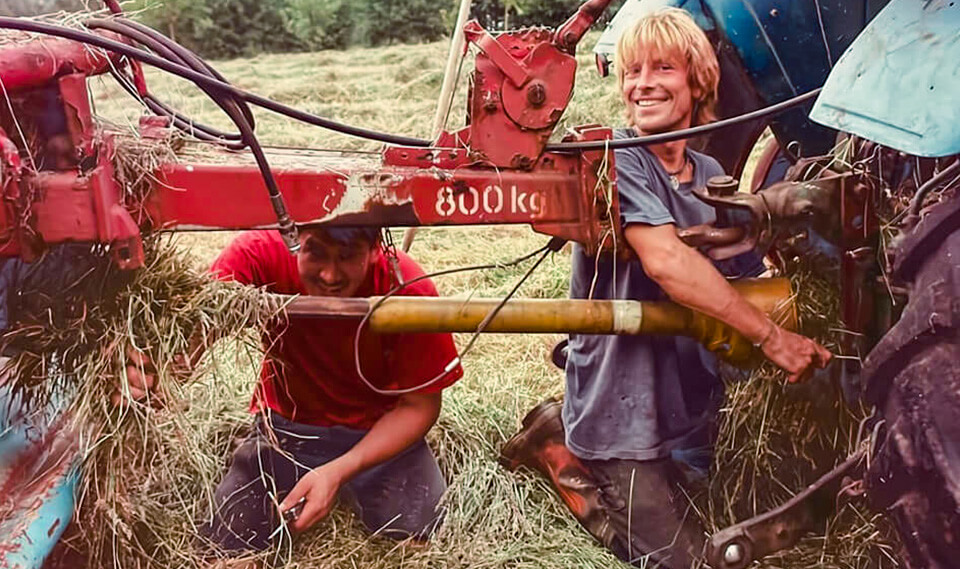
Over the years we’ve had countless agricultural adventures here! 🌱 From caring for the health of our soil and plants, developing our compost systems, managing water 💧, maintaining our two new polytunnels alongside the original one 🌞, to creating new beds every season – the work never stops. Add in hay cutting, sheep husbandry 🐑, tractor mechanics 🚜, tree pruning, firewood management 🔥… and you quickly realize there’s never a dull moment.
You have to manage the land with thoughtful systems, or in no time you’ll be overrun with ragwort, thistle, and hogweed 🌾 — and then, good luck to you!
We sell most of our produce from our little shop at the start of our drive, or through Arthur’s Baskets 🧺.
We only sell what we grow here, except for the delicious honey from Äni 🍯 (Dreiländereck)
— some of Belgium’s finest vegetable and fruit delights, as Arthur would dare to say 😄.
Check out the Heroes of the Farm Gallery 📸 and see the paradise and abundance we’ve created with our own interpretation of regenerative organic farming here in Ost-Belgistanisches Dreiländereck 🌱✨.
With joy and love ❤️💛.
You can also find us at the beautiful Sunday Market in Aubel every second week from April to November 🌞, where we showcase another side of our products — fine articles made from natural materials like wool, silk, and jute 🐑🧵.
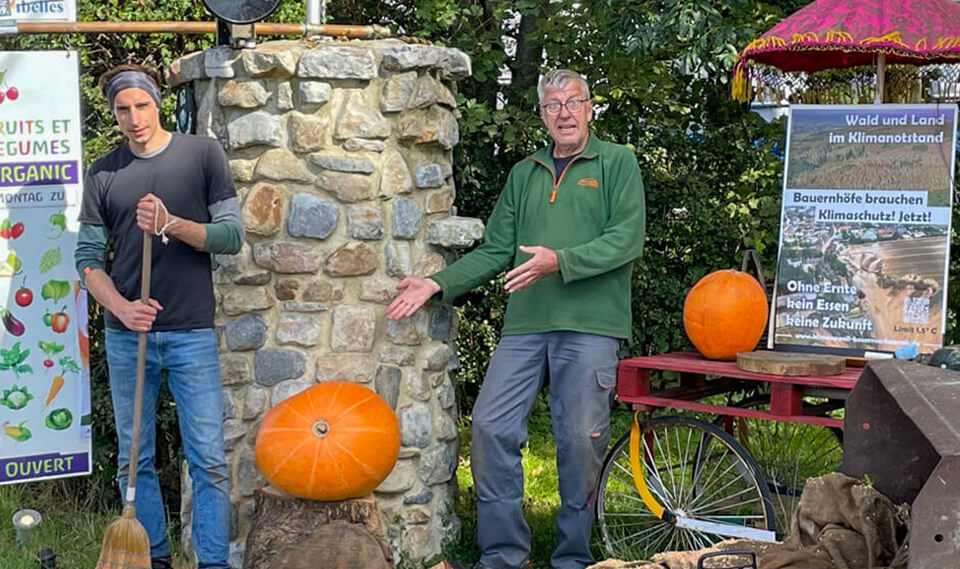
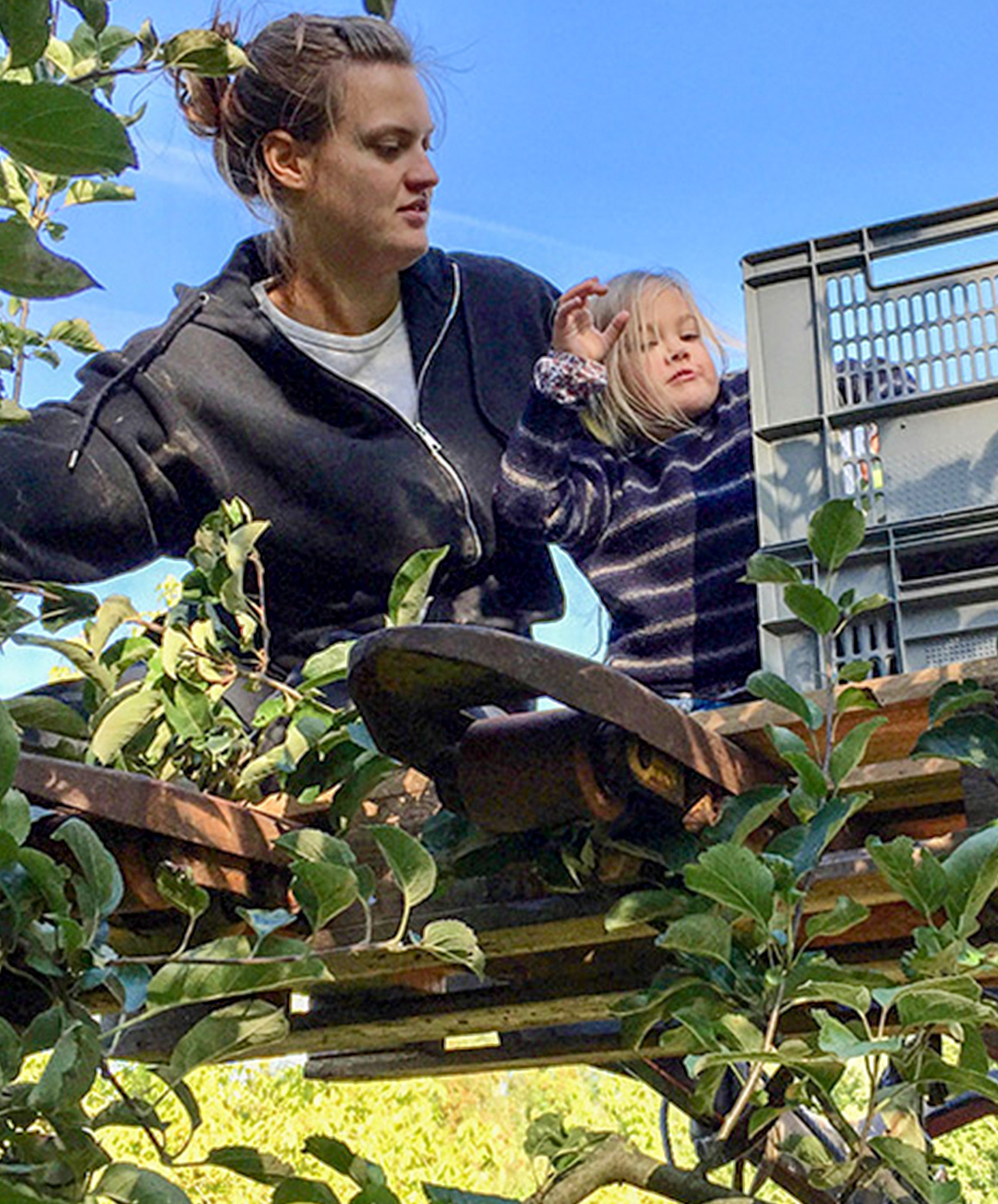
Back in 1994, there were no trees on the land, except for the hedges that run around the property and mark the cadastral parcels 🌿.
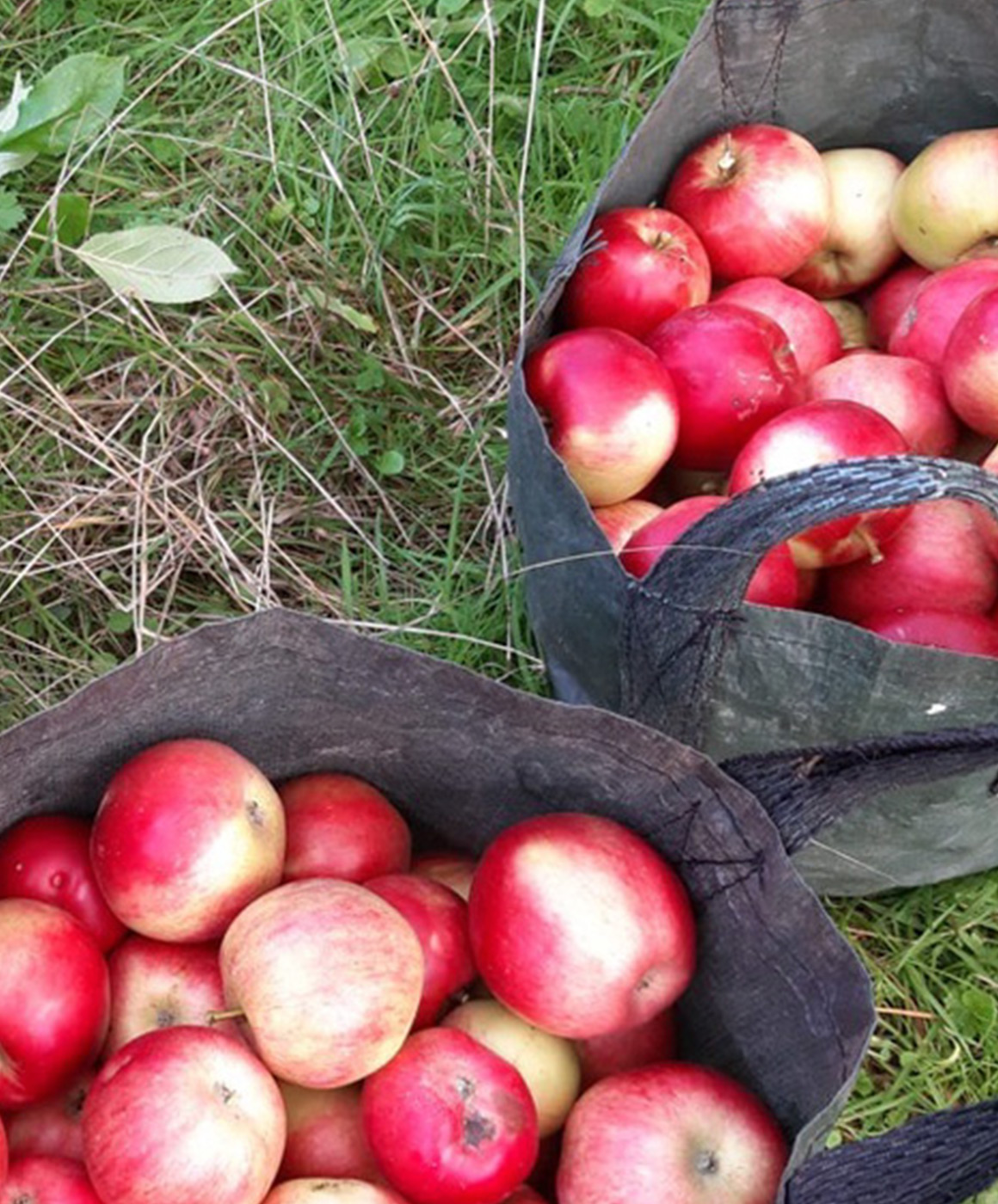
We’ve decided to list the fruit tree varieties we’ve planted here as a resource for the community 🍏🌳.
They include some rare local varieties that only grow in this region, as well as some of the more common regional types still found nearby.
The Trees, Bugs and BeesHere is a list of our actual stock of fruit trees:
an apple a day keeps the doctor away
Here is a list of our actual stock of fruit trees:
an apple a day keeps the doctor away
- Alkmene
- Belle Fleur Simple
- Belle Fleur de Flandre
- Belle Fleur de Brabant
- Belle Fleur Double
- Belle Fleur Large Mouche
- Colore de Juillet
- Court Pendu Rosat
- Cwastresse Double / Triomphe du Luxembourg
- Danziger Kantable
- Eifler Rambur
- Gris Braibant
- Goldparmäne / Reine de Reinette
- Geheimrat Oldenburg
- Gelbe Schafsnase
- Gloster
- Gravenstein
- Henri Calle’s Favorit
- Ida Red
- Jacques Lebel
- James Grieve
- Jonathan
- Joseph Musch
- Kaiser Wilhelm
- Keuleman
- Marie-Joseph d’Othee
- Ontario
- Reinnette Clochard
- Président Henry Van Dievoet
- Président Roullin
- Radoux
- Red Boskkop / Boskoop Rouge Bakker x 2
- Reinette Hernaut
- Reinette de Chenee
- Reinette Blanche du Canada
- Reinette de Waleffe
- Reinette du Canada
- Reinette de France
- Reinette de Blenheim
- Reinette Etoilee
- Rheinischer Winterrambur / Rambour d’Hiver x 2
- Sabot d’Eysden
- St Remy
- Stark Earliest
- Transparent blanche
- Trezeke Meyers
… and so does a pear
- Beurre Chaboceau x 2
- Beurre Hardy x 2
- Beurre Merode
- Blumenbachs Butterbirne / Soldat Laboureur
- Bonne Louise d’Averanche
- Boscs Flaschenbirne / Calebasse Bosc Pear
- Catillac x 2
- Clapp’s Liebling / Clapp’s Favorit x 2
- Comtesse de Paris x 2
- Conference x 3
- Diels Butterbirne / Beurré Diel
- Doyenne du Comice
- Durondeau
- Gieser Wildeman – The Best Cooking Pear Ever
- Große Rommelter
- Juffenbirne
- Jules d’Airolles
- Katzenkopf
- Legipont / Köstliche von Charneu x 2
- Pastorenbirne
- Precoce Henin
- Speckbirne Witscheiderhof
- Triomphe de Vienne
- Williams Christ / Bon Chretien William x 3
- Winter Keizerin
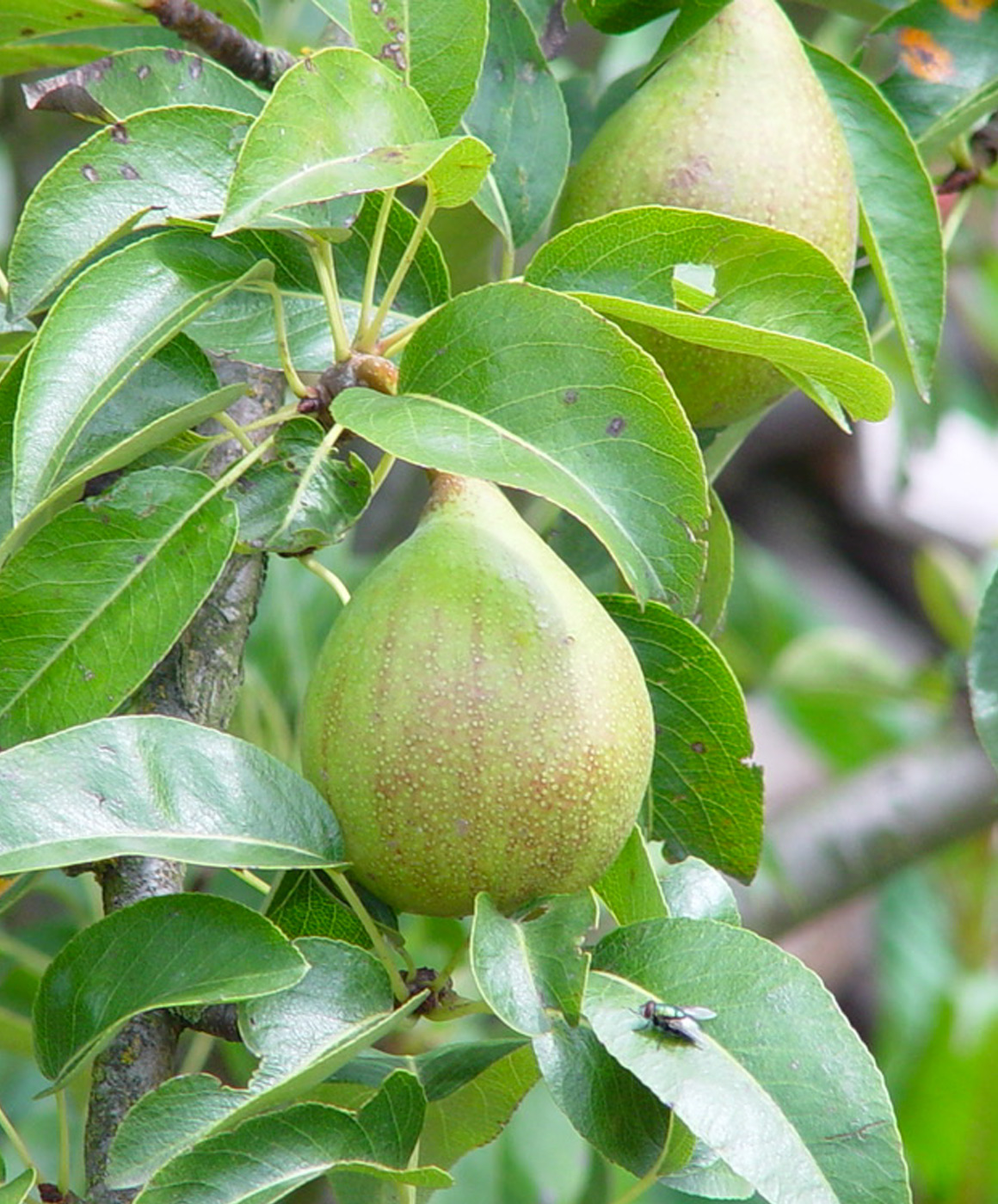
Plum, Damson, Greengage and Mirabelle
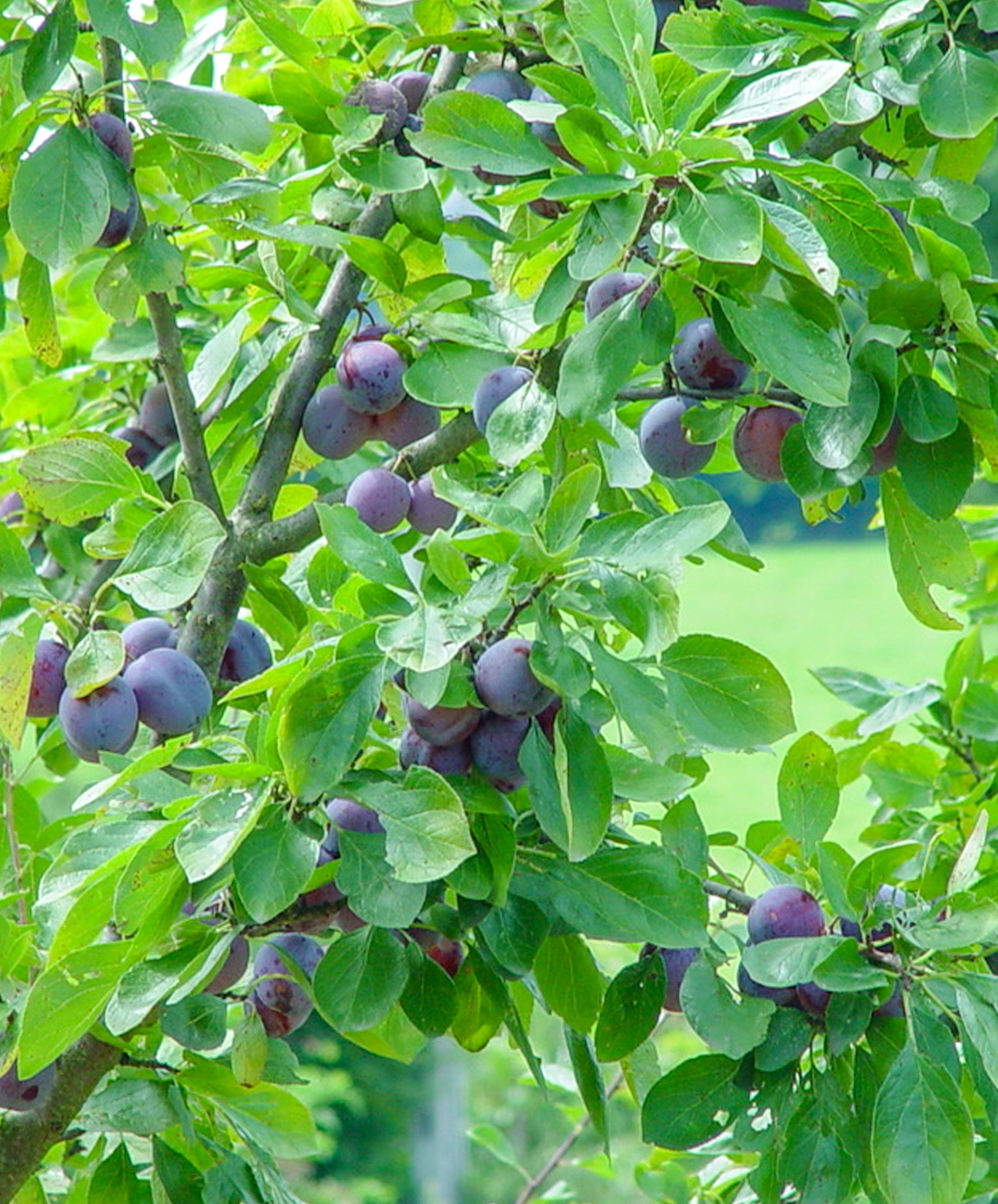
- Anna Späth
- Avalon
- Belle de Louvain
- Saint Catharine
- Felsina
- President
- Hauszwetsche
- Czar
- Victoria
- Wangenheims Altesse
- Altesse Double de Liège
- Altesse Simple
- Reine Claude Doree Crottée
- Reine Claude de Sixdorf
- Ruth Gerstetter
- Opal
- Sanktus Hubertus
- Magna Glauca
- Monsieur Hatif
- Monarch
- Sultan
- Stanley
- Saint Mathieu
- Valor
- Wignon
- Reine Claude de Althane
- Double Priesse
- Mirabelle du Nancy x 8
Cherries, Nashis, Quince, Walnut
- Nashi Tsu Li
- Nashi Hosui
- Nashi Kosui
- Nashi Nieisiki
- Quince Cognassier Champion x 2
- Biggi Reverchon
- Biggi Noir
- Hedelfinger
- Biggi Moreau
- Biggi Napoleon
- Burlat
- Schneider’s Spät-Knörpelkirsche
- Chinese Dogwood / Cornus Kousa
- Goji
- Walnut x 8
- Hazel
- Pimpernüsse x 3 (Staphylea pinnata)
- Mulberry x 2
- Gooseberries
- currants (white black & red)
- grapes
- raspberries
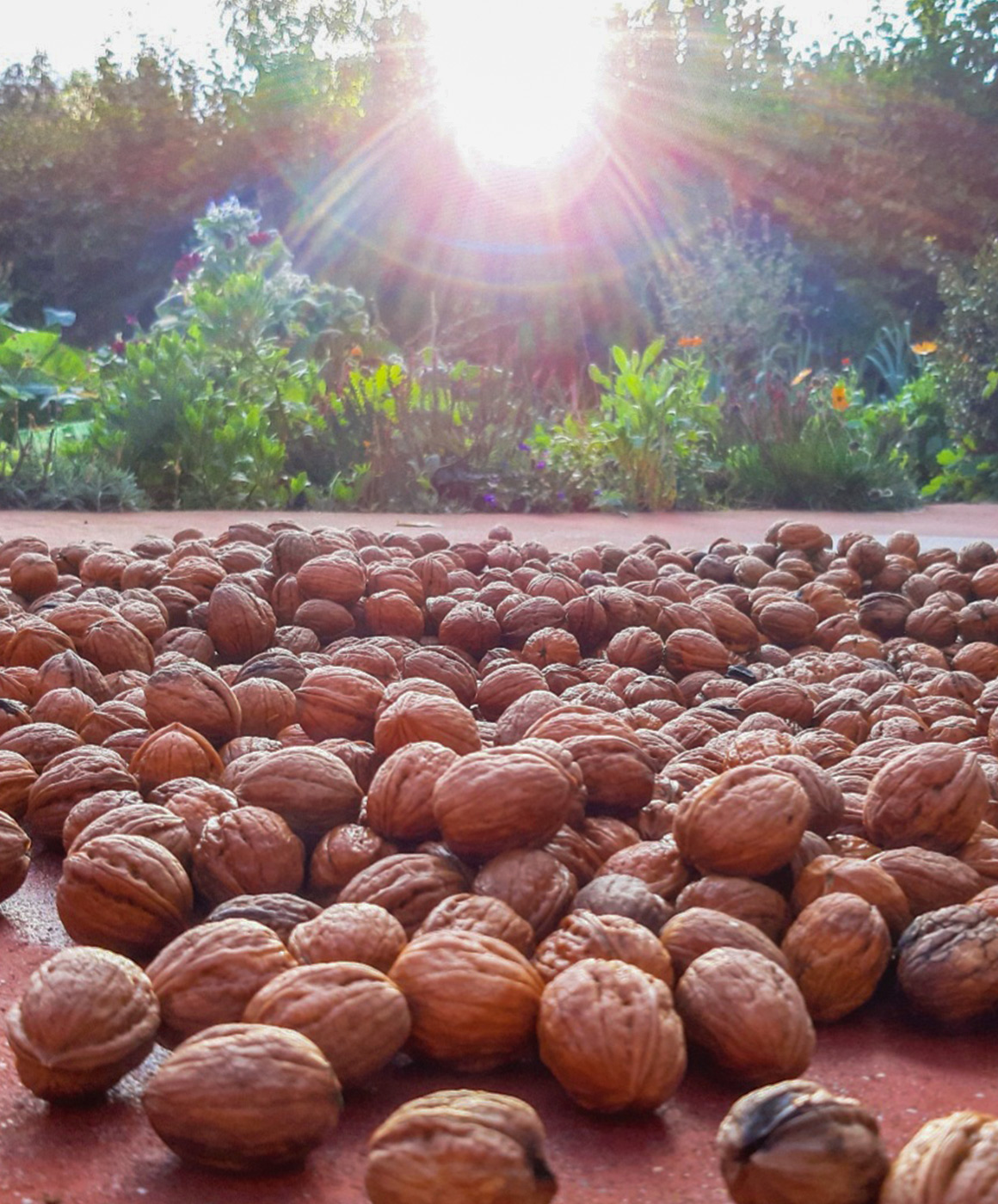
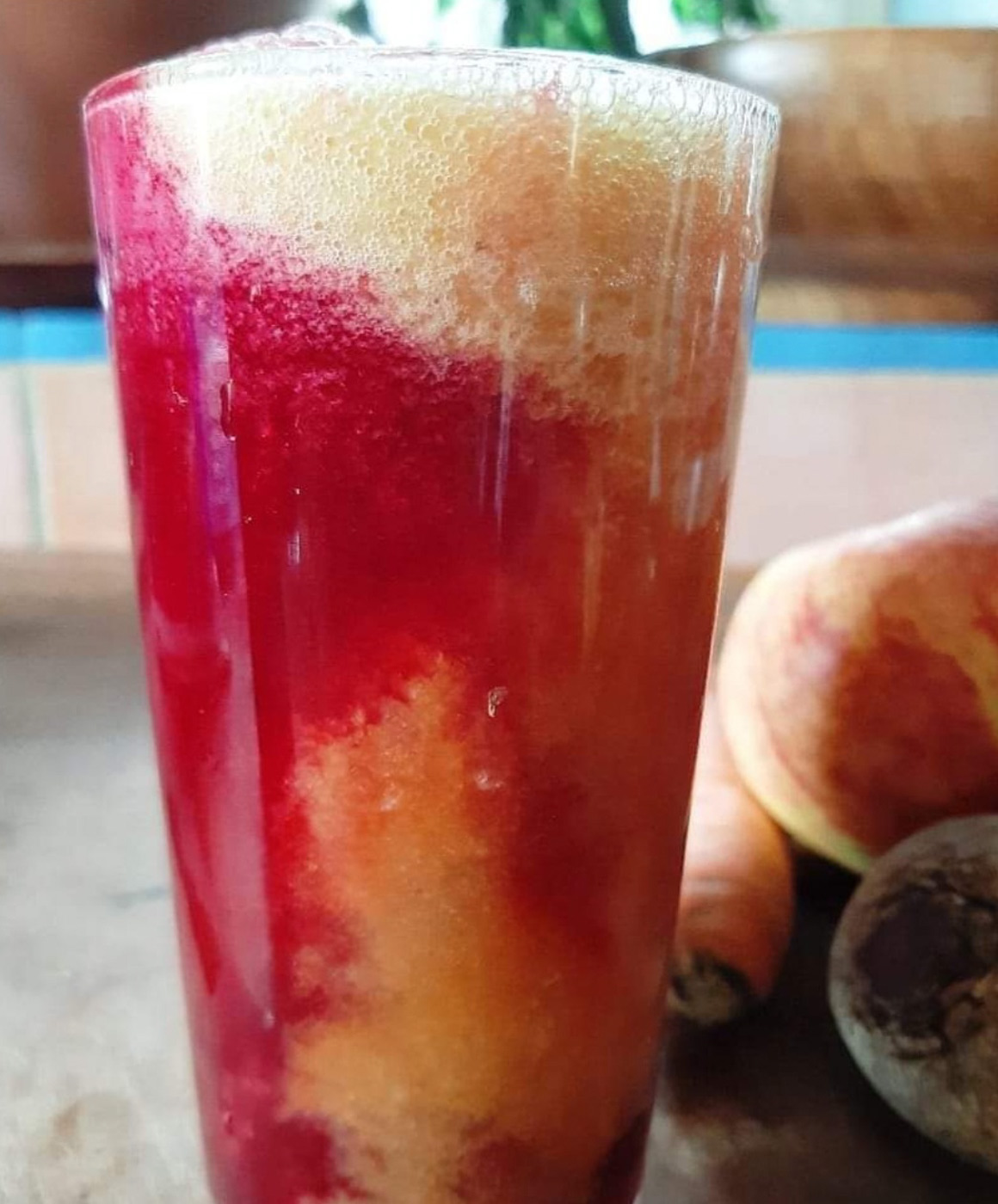
As a household we juice our fruit & veg every day, and store as long as we can in a cool-room run from our solar panel grid input.
This makes the produce very valuable for us, and we need a surprising amount of it.
Just as an example, just for our private household we need some 700 beetroots in a year, probably 400 kg of apples, not to mention carrots, celery and all the other bits and bobs we throw in …